

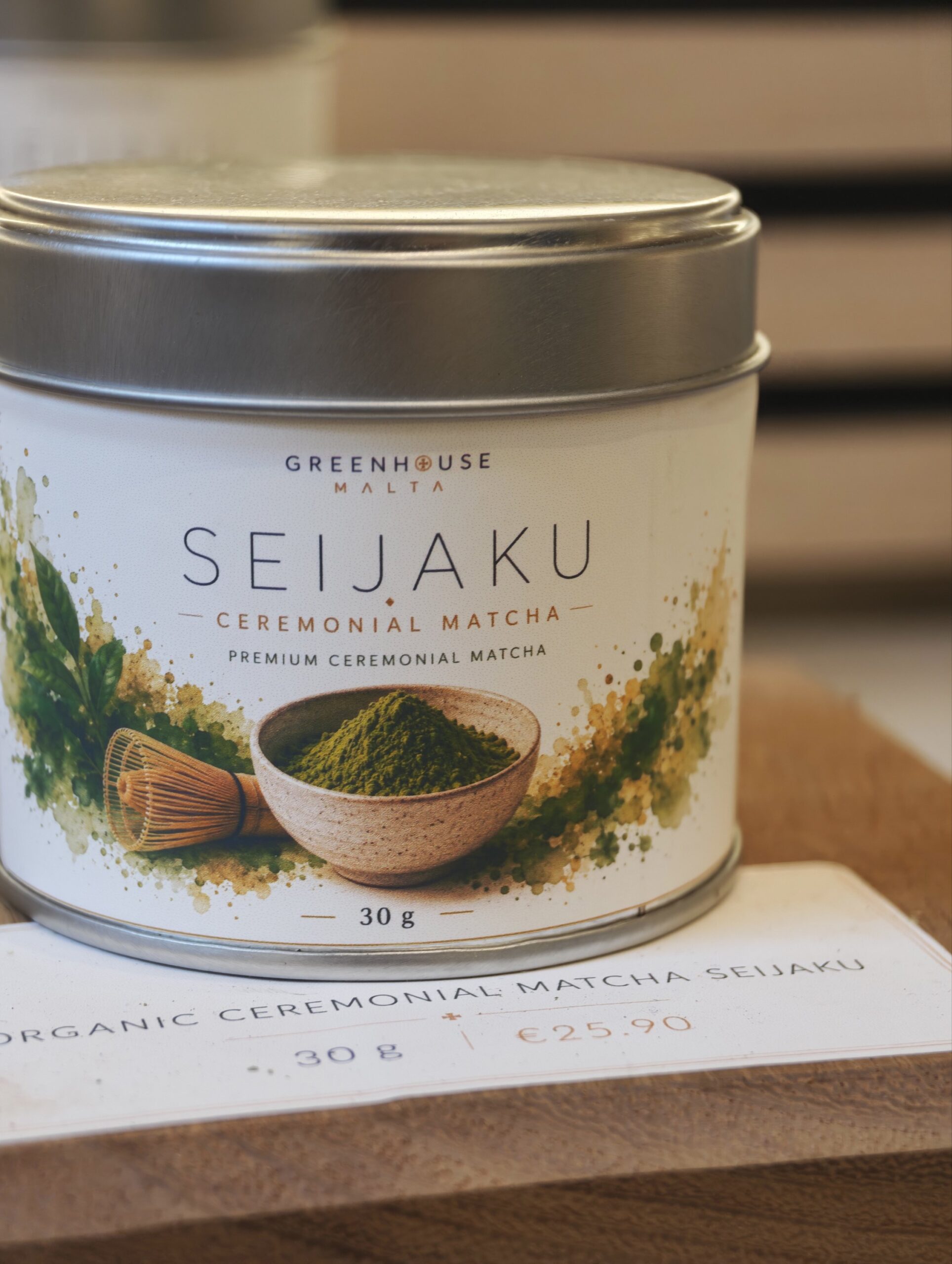

Seijaku Organic Ceremonial Matcha in Malta
Seijaku Organic Ceremonial Matcha has been selected for people who want to experience matcha beyond the ordinary green powder found in mass-market drinks.
Fine texture, vibrant colour, freshness and balance all matter when choosing a quality matcha. Seijaku brings these characteristics together in a refined organic ceremonial matcha designed for traditional preparation, daily rituals and carefully prepared matcha drinks.
At Greenhouse Malta, we believe good matcha should taste pleasant before you add milk, syrup or sugar. Seijaku can be whisked simply with water, allowing its natural character to remain at the centre of the cup.
For customers searching for ceremonial matcha in Malta, organic matcha in Malta or premium matcha in Sliema, Seijaku offers an approachable way to discover what a better-quality matcha can taste and feel like.
What Makes Seijaku Different?
Matcha quality can vary enormously.
Two powders may both carry the word “matcha” on the packaging while offering completely different experiences in terms of colour, texture, aroma and flavour.
Seijaku has been chosen for its fine powder, vivid green appearance, smooth mouthfeel and balanced character.
When prepared correctly, it creates a clean and expressive cup rather than an aggressively bitter drink.
That balance makes Seijaku suitable both for people already familiar with ceremonial matcha and customers discovering premium matcha for the first time.
The aim is not intensity for the sake of intensity. A good ceremonial matcha should offer layers of flavour while remaining pleasant to drink.
Organic Ceremonial Matcha
Seijaku combines two characteristics that many customers specifically look for: organic certification and ceremonial quality.
Organic production follows defined standards concerning agricultural methods and permitted inputs. For customers who actively seek organic matcha, this provides an additional criterion when choosing their tea.
The ceremonial positioning relates to the quality and intended experience of the matcha.
Ceremonial matcha works particularly well when prepared simply with water because the powder itself remains completely exposed. Milk and sweeteners cannot hide rough flavours, coarse texture or excessive bitterness.
That is why ceremonial preparation provides such a useful test of quality.
With Seijaku, the goal is a smooth bowl with a fresh aroma, fine texture and balanced green tea character.
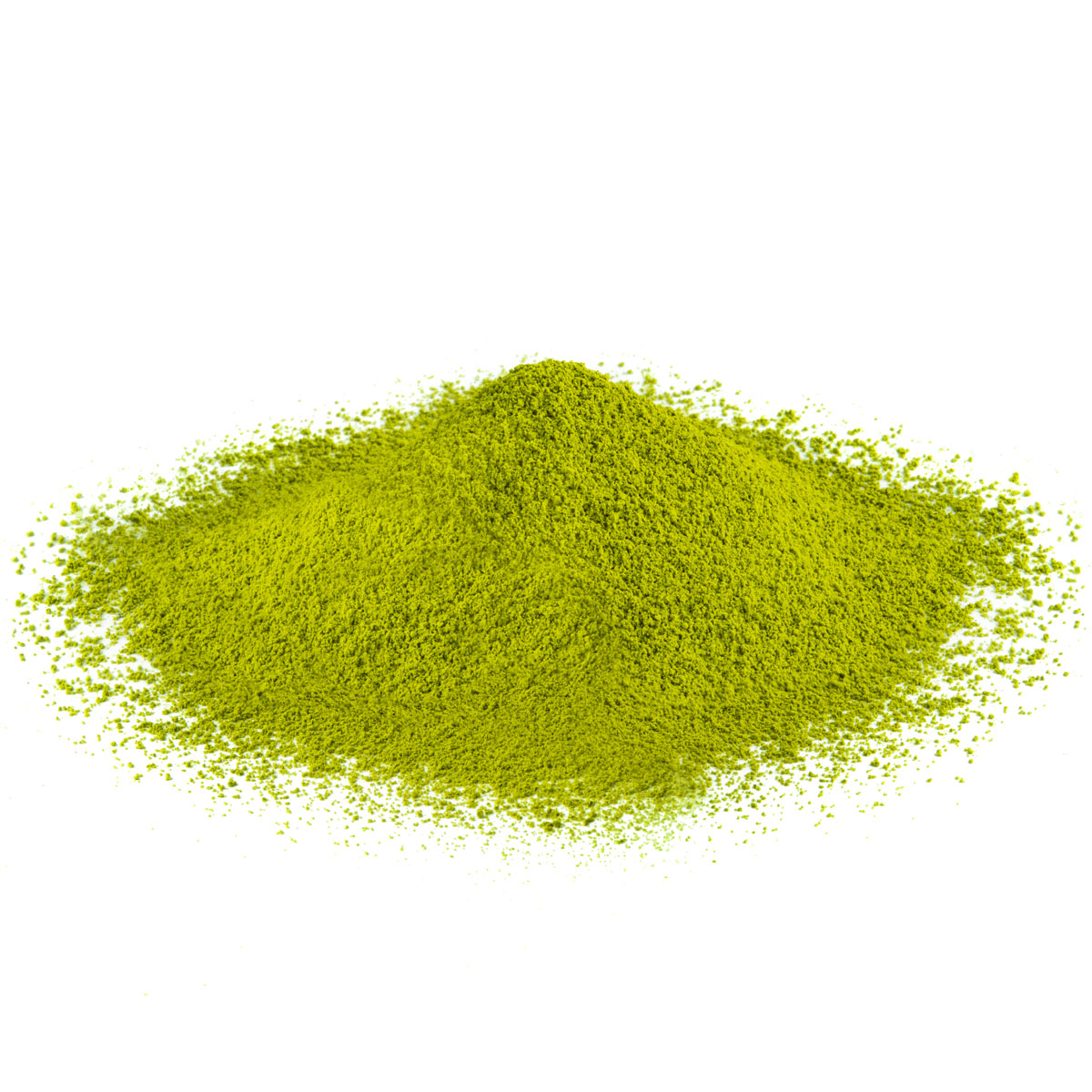
The Colour of Quality Matcha
Colour provides one of the first clues when assessing matcha.
Quality matcha generally shows a bright and lively green tone rather than a dull brownish or yellow-green colour.
Several factors influence the final appearance, including the tea leaves, cultivation, processing, grinding, freshness and storage.
Colour alone cannot prove quality, but it remains an important part of the overall picture.
A premium matcha should look fresh before it even reaches the bowl.
Seijaku’s vibrant appearance also makes it particularly attractive when preparing traditional matcha, iced matcha or a visually striking matcha latte.
Why Matcha Is So Finely Ground
Matcha differs fundamentally from ordinary loose leaf green tea.
With traditional tea, the leaves infuse into water and you remove them before drinking.
With matcha, the tea leaf has been ground into an extremely fine powder that becomes part of the drink itself.
This explains why texture matters so much.
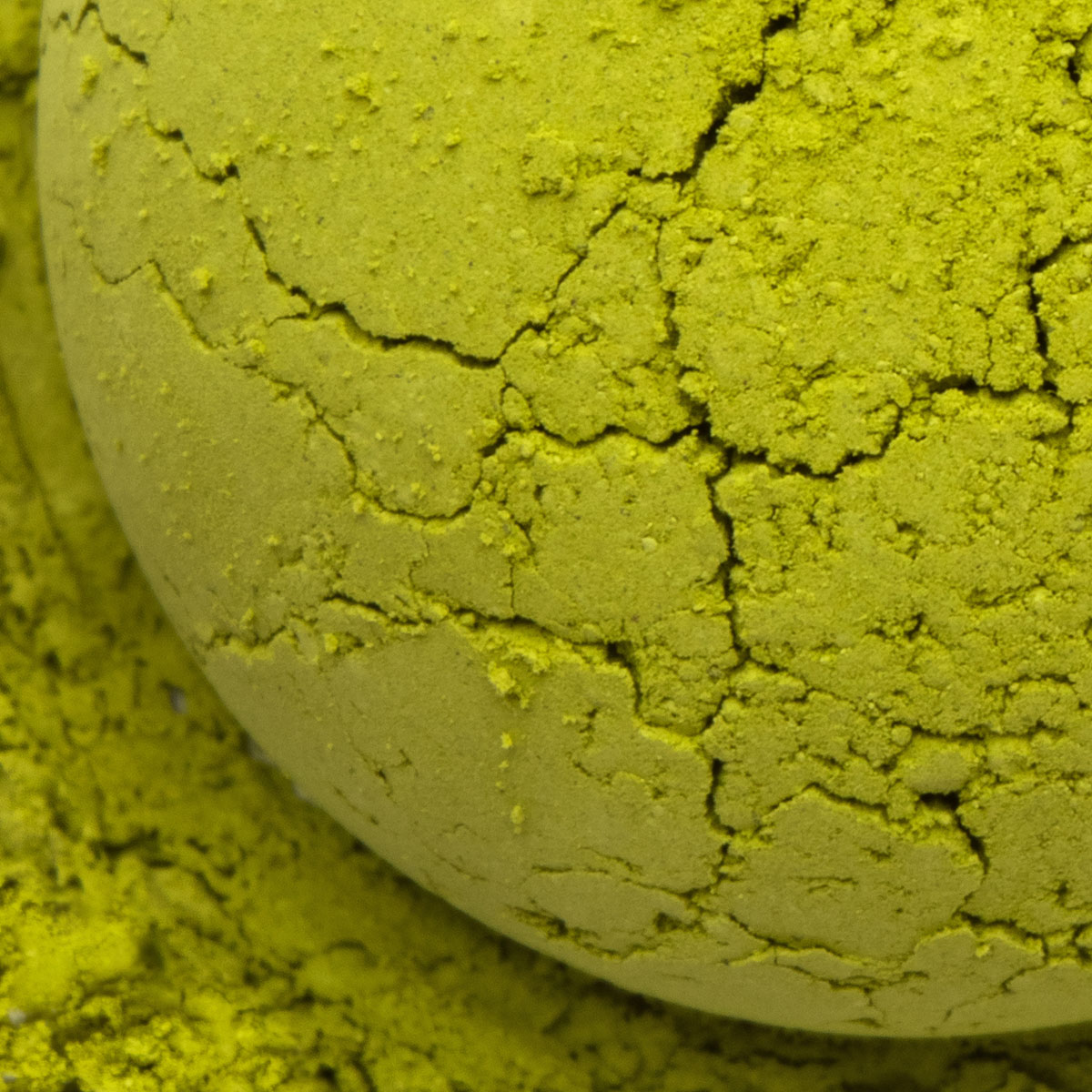
A finely ground matcha disperses more smoothly in water and produces a softer mouthfeel. Coarser powders tend to feel gritty and form stubborn clumps.
Seijaku’s fine texture helps create the smooth consistency expected from a premium ceremonial matcha.
The Taste of Seijaku Matcha
Quality matcha does not need to taste overwhelmingly bitter.
Seijaku offers a balanced profile built around fresh vegetal notes, gentle bitterness and the characteristic savoury depth commonly described as umami.
A subtle natural sweetness can also appear when you use an appropriate water temperature and prepare the matcha correctly.
Temperature matters because very hot water can emphasise bitterness and cover more delicate characteristics.
This is one reason people who believe they dislike matcha sometimes discover that they actually dislike badly prepared matcha.
The powder, dose, temperature and technique all influence what finally reaches the cup.
What Does Umami Mean in Matcha?
Umami refers to a savoury taste sensation that appears naturally in many foods and teas.
In quality matcha, it can create a rounded, deeper character that balances vegetal freshness and gentle bitterness.
It does not mean that matcha tastes salty or like food broth. Rather, umami contributes to the fuller sensation and lingering flavour that distinguishes refined matcha from basic green tea powder.
Ceremonial preparation with water makes these nuances much easier to notice.
How to Prepare Seijaku Ceremonial Matcha
Traditional matcha preparation remains wonderfully simple once you understand the basics.
Start with approximately 1.5 to 2 grams of Seijaku Matcha.
Sift the powder directly into a matcha bowl. Sifting breaks up small clumps and helps create a smoother drink.
Add approximately 60 to 80 ml of water at around 70 to 80°C.
Avoid pouring boiling water directly onto the matcha. Excessive heat can increase bitterness and reduce the balance of the cup.
Use a bamboo matcha whisk, known as a chasen, and whisk quickly through the liquid until the powder disperses and a fine layer of foam develops across the surface.
Drink the matcha shortly after preparation.
Unlike instant drinks, matcha remains a suspended powder rather than fully dissolving, so leaving it untouched for a long time allows some sediment to settle.
Why Sift Matcha Before Whisking?
Matcha particles are extremely fine and naturally form small clusters during storage.
These clumps do not indicate a problem with the product.
However, breaking them apart before adding water makes whisking considerably easier.
Passing the powder through a small fine sieve takes only a few seconds and produces a noticeably smoother result.
It also helps create finer and more even foam.
For anyone trying to improve their matcha preparation, sifting is one of the simplest changes with an immediate effect.
The Right Water Temperature for Matcha
Water temperature has a major impact on flavour.
Around 70–80°C works well as a general starting point for Seijaku.
Cooler water tends to preserve a softer profile and can emphasise sweetness and umami.
Hotter water extracts stronger vegetal and bitter characteristics.
There is room for personal preference, so you can adjust the temperature gradually after learning the basic preparation.
What generally does not help is pouring violently boiling water onto premium matcha and then wondering why the cup tastes aggressive.
Quality ingredients still require sensible preparation.
Seijaku as Usucha
The most common style of traditional matcha preparation is usucha, or thin matcha.
Usucha uses a relatively small quantity of matcha with water and creates the familiar lightly foamed bowl seen in modern matcha preparation.
Seijaku works particularly well in this style because its balanced profile remains clear without requiring milk or additional flavouring.
For customers new to ceremonial matcha, usucha provides one of the easiest ways to discover the flavour of the powder itself.
Can You Make a Matcha Latte With Ceremonial Matcha?
Absolutely.
Ceremonial matcha does not stop being ceremonial simply because you add milk.
However, milk changes the flavour and softens many delicate characteristics.
To prepare a Seijaku Matcha Latte, whisk approximately 2 grams of matcha with 40–60 ml of warm water.
Once smooth, add approximately 150–200 ml of your preferred milk or plant-based alternative.
You can serve it hot or over ice.
Because Seijaku has a refined and balanced profile, it creates a particularly smooth premium matcha latte.
Customers who drink several lattes every day may prefer an everyday matcha for economic reasons, but using ceremonial matcha creates a more refined result.
Iced Seijaku Matcha
Matcha does not belong exclusively to hot drinks.
An iced ceremonial matcha can be particularly refreshing in Malta’s warmer weather.
Prepare Seijaku with a small quantity of warm water first. Whisk until smooth, then pour the mixture over cold water and ice.
You can also add milk to create an iced matcha latte.
Preparing the matcha separately before adding ice helps avoid clumps and gives you better control over the texture.
Matcha With Dairy or Plant-Based Milk
Seijaku pairs with several types of milk.
Traditional dairy milk produces a creamy and relatively neutral matcha latte.
Oat milk can add sweetness and body, while almond milk gives a lighter nutty character.
Coconut-based drinks bring a stronger flavour and can significantly change the profile of the matcha.
There is no universally correct choice. The best milk is simply the one that creates the balance you enjoy.
For traditional ceremonial appreciation, however, water remains the best way to understand Seijaku’s original character.
Does Matcha Contain Caffeine?
Yes.
Matcha naturally contains caffeine because it comes from tea leaves.
The amount varies with the product and serving size, so matcha should not be treated as a caffeine-free drink.
Many customers choose matcha as an alternative to coffee because the overall experience differs from drinking an espresso or other caffeinated beverages.
Matcha also naturally contains L-theanine, an amino acid found in tea.
Individual responses vary, however, and people who are particularly sensitive to caffeine should take their own tolerance into account.
Natural Compounds Found in Matcha
Matcha naturally contains compounds associated with green tea, including catechins, polyphenols, chlorophyll, L-theanine and caffeine.
Because you consume the finely powdered leaf rather than simply steeping and removing it, matcha differs from conventional brewed green tea.
This concentrated nature contributes to matcha’s popularity as part of modern food and drink culture.
It is important, however, to keep claims realistic.
Matcha remains a food and beverage, not a miracle treatment. Its appeal comes from its composition, flavour, preparation ritual and versatility rather than exaggerated promises.
Matcha as Part of a Daily Routine
One reason matcha has become so popular is how easily it fits into different routines.
Some people prepare ceremonial matcha slowly in the morning.
Others make a quick matcha latte before work.
During summer, iced matcha becomes an easy alternative to hot tea or coffee.
The preparation can therefore feel either traditional or completely contemporary.
Seijaku works particularly well for customers who want one premium matcha that can move comfortably between those different styles.
How Much Matcha Should You Drink?
There is no single amount that suits everyone.
A traditional serving usually begins around 1.5 to 2 grams of powder.
Because matcha contains caffeine, your total daily caffeine intake and individual sensitivity should guide how frequently you consume it.
Using increasingly large quantities does not automatically create a better drink.
Correct proportion and preparation matter much more.
How to Store Seijaku Organic Matcha
Matcha is sensitive to air, heat, moisture and light.
After opening Seijaku, close the container carefully after every use.
Keep it away from direct sunlight and sources of heat.
Always use a completely dry spoon or matcha scoop.
Moisture can quickly damage the powder and affect its texture, aroma and freshness.
For longer freshness, refrigerated storage can be useful, particularly in a warm climate.
If you store Seijaku in the refrigerator, allow the closed container to warm slightly before opening it. This reduces the chance of condensation forming inside the tin.
Why Freshness Matters So Much
Matcha has an enormous surface area because the entire tea leaf has been ground into a fine powder.
This means oxygen can affect it more quickly than many whole-leaf teas.
Fresh matcha generally offers better colour, aroma and flavour.
Once opened, use your Seijaku regularly rather than saving it indefinitely for a ceremonial occasion that may never arrive.
Protecting the powder between servings helps maintain its original character for longer.
How to Tell if Matcha Has Lost Freshness
Several changes can indicate that matcha is no longer at its best.
The green colour may become duller.
The aroma may lose intensity.
Flavour can become flatter or more bitter.
These changes do not happen instantly, but they explain why proper storage matters.
Matcha should be enjoyed while its colour and aromatic profile remain lively.
Matcha Versus Green Tea
Matcha and conventional green tea come from tea, but the preparation differs significantly.
With loose green tea, you steep the leaves in water and then remove them.
With matcha, you whisk finely ground tea directly into the water and consume it.
This produces a different texture, flavour concentration and drinking experience.
Customers searching for green tea in Malta may therefore discover that matcha offers a very different interpretation of green tea.
Matcha Versus Coffee
Matcha and coffee both contain caffeine, but they taste and prepare completely differently.
Coffee relies on roasted coffee beans and extraction through water.
Matcha uses finely powdered tea leaves whisked directly into water.
Some people prefer coffee in the morning and matcha later in the day. Others replace one with the other entirely.
There is no need to turn the choice into a nutritional civil war. Both can form part of a balanced routine according to personal preference and caffeine tolerance.
Seijaku Matcha for Beginners
Seijaku makes a strong introduction to ceremonial matcha because its balanced character allows beginners to discover matcha without starting with an unnecessarily harsh powder.
The most important advice is to keep the first preparation simple.
Use approximately two grams.
Sift it.
Avoid boiling water.
Whisk properly.
Taste the matcha before immediately adding sugar or milk.
Once you understand its natural profile, you can decide how you prefer to drink it.
Seijaku for Experienced Matcha Drinkers
Customers already familiar with matcha may appreciate Seijaku for its combination of quality and everyday usability.
It works as a traditional bowl while remaining versatile enough for other preparations.
That balance gives it a useful position within the Greenhouse Malta matcha collection.
Customers looking for an even more elevated ceremonial experience can also explore our Crown Reserve Ceremonial Matcha, while Yulan Organic Matcha provides another option for versatile everyday use.
Choosing Between Seijaku, Crown Reserve and Yulan
Greenhouse Malta offers several matcha options because one grade cannot perfectly answer every need.
Seijaku Organic Ceremonial Matcha offers an excellent balance between ceremonial quality, organic positioning and regular enjoyment.
Crown Reserve Ceremonial Matcha sits at the premium end of the collection for customers seeking our most refined ceremonial experience.
Yulan Organic Matcha provides a versatile option for everyday preparation, lattes and other matcha drinks.
This makes it easier to choose according to preparation and preference rather than assuming that every green powder serves exactly the same purpose.
Matcha Accessories and Traditional Preparation
A few simple accessories can improve the experience significantly.
A chasen bamboo whisk helps disperse the powder and create fine foam.
A matcha bowl gives enough room for the whisk to move freely.
A small sieve prevents clumps.
A bamboo scoop can make measuring easier.
None of these accessories change the quality of the matcha itself, but they help you prepare it properly and consistently.
Buy Organic Matcha in Malta
Customers searching for organic matcha in Malta can discover Seijaku at Greenhouse Malta in Sliema.
The product is available for customers who want premium matcha for traditional preparation, home matcha rituals or refined lattes.
You can visit the shop in Sliema to discover our matcha collection or order online through Greenhouse Malta.
Ceremonial Matcha in Sliema
Finding good ceremonial matcha in Sliema should not require guessing from dozens of nearly identical green packages.
At Greenhouse Malta, our matcha range separates the different products clearly according to their positioning and intended use.
Seijaku occupies an important place in that collection because it combines premium ceremonial character with organic certification and excellent versatility.
Why Choose Seijaku Organic Ceremonial Matcha?
Seijaku offers a complete matcha experience built around colour, texture, balance and versatility.
It works beautifully as traditional whisked matcha.
It can create an excellent premium matcha latte.
It works hot or iced.
Its fine texture supports smooth preparation, while its balanced profile makes it accessible to different types of matcha drinkers.
Most importantly, it gives customers a matcha that does not need to hide behind excessive milk, sugar or flavouring.
Discover Seijaku at Greenhouse Malta
Seijaku Organic Ceremonial Matcha represents our vision of premium matcha that remains enjoyable and approachable.
Whether you are discovering matcha for the first time, upgrading from an everyday powder or looking for organic ceremonial matcha in Malta, Seijaku provides a refined option for your daily ritual.
Prepare it traditionally with warm water to discover its full character, transform it into a creamy matcha latte or serve it iced during Malta’s warmer days.
Available from Greenhouse Malta in Sliema, Seijaku brings together organic quality, ceremonial preparation and the unmistakable character of premium matcha.
For anyone searching for matcha Malta, organic matcha Malta, ceremonial matcha Malta, premium matcha Sliema, matcha powder Malta or a place to buy matcha in Malta, Seijaku deserves a central place in the collection.
Reviews
There are no reviews yet.